Shoes AI EPS Illustration Collection: A Practical Evaluation
Digital illustration sets have become essential resources for designers, marketers, and content creators who need consistent, high-quality visuals without starting from scratch. The Shoes collection, a set of AI EPS illustrations focused on footwear, positions itself as a versatile tool for projects ranging from app interfaces to printed materials. This article provides a balanced look at what this collection offers, who it benefits, and where its limitations may lie. Rather than a simple feature list, the goal is to help you decide whether the Shoes illustration set aligns with your specific creative or business needs.
What Exactly Is the Shoes Illustration Set?
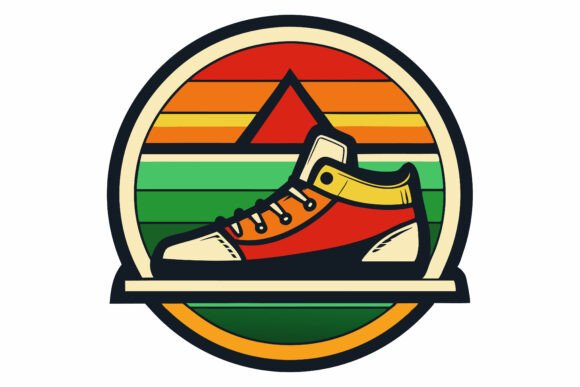
At its core, the Shoes product is a curated bundle of vector graphics depicting various types of footwear. The files come in AI (Adobe Illustrator), EPS, and JPG formats, making them accessible for both professional editing and quick placement. The illustrations are built with an organized layer structure, which means each element—laces, soles, textures—can be isolated and modified independently. The collection is designed to work on both Mac and Windows systems, removing common compatibility barriers.
The emphasis on perfection in details and consistency suggests that each shoe illustration follows a unified style, scale, and level of polish. This consistency is important when you need to use multiple icons together in an infographic, app navigation, or catalog layout. Because the files are vector-based (AI and EPS), they can be scaled to any size without loss of quality, from tiny mobile symbols to large-format prints.
Reasons Someone Might Be Interested in This Collection
Not everyone needs a dedicated shoe illustration set, but several user profiles might find it immediately useful. Consider the following scenarios:
- E-commerce and retail designers creating product category icons, promotional banners, or seasonal campaigns for footwear brands.
- App and web developers who need clean, recognizable shoe symbols for navigation in fitness, fashion, or shopping applications.
- Infographic creators building visual content around sports, fashion trends, or consumer behavior—where shoe icons can serve as data markers or explanatory graphics.
- Print designers working on lookbooks, trade show displays, or packaging that requires high-resolution scalable artwork.
- Educators and content creators developing teaching materials, presentations, or social media posts about footwear, sports, or style.
The common thread is a need for editable, professional-looking shoe graphics that maintain visual unity. If your project involves repeated use of footwear imagery, this set can save significant illustration time and ensure a cohesive design language.
Exploring the Benefits and Practical Advantages
The Shoes collection offers several concrete benefits that go beyond what a random assortment of free icons might provide. Understanding these can clarify the value for your workflow.
Full Editability and Color Customization
Because you receive native AI and EPS files, you can open them in vector software like Adobe Illustrator, Affinity Designer, or Inkscape. Every shape is editable; you can change colors to match a brand palette, adjust stroke weights, or redesign specific parts. The description highlights that you can change colors and modify the icon so easily according to your needs. This flexibility is critical for projects that require strict brand adherence or seasonal variants. Unlike a static PNG, a vector file lets you repurpose the same base illustration for dark mode interfaces, monochrome prints, or vibrant web buttons without losing quality.
Organized File and Layer Structure
One underrated aspect of a well-built vector set is how it’s organized. The product notes a neatly organized file and layer structure. For a busy designer, this means less time renaming layers, hunting for elements, or accidentally modifying the wrong part. Logical grouping—such as separating the upper, sole, and details—makes it easier to apply global edits or export variations quickly. This organization is especially helpful when you need to create multiple shoe types from the same base or when handing files over to a teammate.
Cross-Platform and Multi-Format Support
The inclusion of JPG previews alongside vector formats means you don’t always need to launch a heavy design application just to browse or place a low-resolution version. The set is explicitly compatible with Mac and Windows, which covers nearly all professional environments. This is a thoughtful touch for mixed-platform studios or when you need to share assets with clients who may not have Illustrator but can still view and use the JPGs for mockups.
Versatile Use Across Media
The illustrations are described as suitable for print, web, symbols, apps, and infographics. This broad applicability stems from the vector nature and the likely clean, modern style. For print, you can export at 300 DPI in any size; for web, you can generate SVG or optimized PNGs; for apps, you can create icon fonts or use the vectors directly in design software. The versatility reduces the need to source different assets for different outputs.
Tradeoffs, Considerations, and Expectations
No design resource is universally perfect. Before deciding on the Shoes set, it’s worth examining the potential tradeoffs and setting realistic expectations.
Scope and Niche Focus
The set is focused exclusively on shoes. If your project requires a broader range of fashion or sports icons—clothing, accessories, equipment—you may need to purchase additional sets or combine this with other resources. While the collection might include diverse shoe types (sneakers, heels, boots, etc.), the exact variety and number should be verified. A focused set is ideal when shoes are a central visual element, but it could feel limiting if your needs span multiple categories.
Software Dependency for Full Editing
To leverage the AI and EPS files fully, you need vector editing software. While many alternatives exist, the learning curve can be a barrier for users without design experience. If you only need to drop images into presentations or documents without modification, the JPG versions will work, but you lose the benefit of scalability and color changes. For non-designers, this might mean investing time in learning basic vector editing or delegating customization to someone with the right skills.
Style Consistency vs. Uniqueness
A consistent style is a strength, but it also means the illustrations may not stand out as highly original if many other businesses use the same set. Consider your brand's need for differentiation. For templates, generic web elements, or internal documents, this is rarely an issue. For a flagship product launch or a brand built on a distinctive illustration style, you might eventually need custom artwork. The Shoes collection can, however, serve as a strong starting point that you modify significantly enough to create a unique look.
Expectations Around Updates and Support
Digital products like this are often sold as-is. Check whether the purchase includes future updates, additional shoe styles, or customer support for technical issues. If your project evolves and new footwear trends emerge, you might have to source subsequent graphics elsewhere. The organized layers do mitigate this by making it easier to adapt existing illustrations to new styles internally.
When the Shoes Illustration Set Is a Strong Fit
Certain use cases align almost perfectly with what this collection offers. You’re likely a strong candidate for the Shoes set if you:
- Need a rapid, cohesive icon family for a shoe retailer’s website or app, where category icons, filter buttons, and feature highlights all require uniform shoe imagery.
- Are designing an infographic or report on the footwear market and want clear, scalable symbols that won’t pixelate when printed or zoomed.
- Work in a marketing team that frequently runs seasonal promotions for a sports or fashion brand, requiring quick edits to match campaign colors.
- Create templates, wireframes, or mockups for clients in the shoe industry and need placeholders that look professional and can be later replaced or refined.
- Value a well-structured file that saves 5–10 minutes per use in navigation and editing—time that accumulates significantly across a large project.
In these situations, the upfront cost of the set is often offset by the hours saved in illustration, the design consistency gained, and the flexibility to adapt assets on the fly.
When Alternatives May Be Worth Considering
While the Shoes collection is practical, there are circumstances where other approaches might serve you better:
- One-time, simple use: If you just need a single shoe icon for a small project, free icon libraries like Font Awesome, The Noun Project, or even a royalty-free stock photo might be more cost-effective. No purchase necessary, and the selection is vast.
- Ultra-realistic requirements: Vector illustrations, no matter how detailed, are still graphic representations. For catalogs that demand photographic realism, product photography or 3D renders will be more appropriate. The Shoes set excels in stylized or iconographic contexts, not hyper-realistic simulations.
- Highly niche shoe types: If you need very specialized footwear—say, 19th-century historical reproductions or medical orthotic devices—a generic set may not cover those. Custom illustration or commissioning a designer could be necessary.
- Brand-exclusive identity: If your brand’s core visual identity revolves around a custom illustration style that must be unmistakably yours, using an off-the-shelf set might dilute that uniqueness. In that case, the set could serve as reference or a base for heavy customization, but you’d still need significant design investment.
- Zero budget projects: There are free and open-source shoe vector packs available, though they often lack the level of organization, detail, and style consistency. For student projects or pro bono work where quality demands are lower, these might suffice.
Practical Decision-Making Insights
To determine whether the Shoes AI EPS collection is right for you, start by listing your project’s specific visual requirements. Ask yourself:
- How many shoe illustrations do I truly need, and across how many variants? A set might be overkill if you only need two icons.
- What level of editability is essential? If you plan to recolor, reshape, or animate the shoes, the vector format is invaluable. If you’re only adding images as-is, JPGs might suffice.
- Is visual consistency across all shoe graphics critical? For a unified user experience, the answer is often yes. Inconsistent icon styles can make an interface feel fragmented.
- Do I have the software and skills to fully use AI/EPS files? If not, factor in a learning curve or the cost of collaborating with someone who does.
- Will my project’s scope expand to need other types of product illustrations soon? If yes, see if the same provider offers larger bundles to maintain consistency across categories.
Evaluating these points can prevent both unnecessary purchases and missed opportunities to work more efficiently. The Shoes collection is not a magic solution for every design challenge, but it does address a specific need with clear, well-documented features. If your answers align with the set’s strengths—editability, organization, and multi-purpose use—then it represents a practical asset rather than just another file folder on your drive.
Always review the license terms before purchasing to ensure your intended use—commercial, resale, or unlimited projects—is covered. Some digital products restrict use in items for resale or require attribution, so clarifying this upfront avoids complications later. Overall, a well-crafted vector illustration set like this can be a quiet workhorse in a designer’s toolkit, repeatedly delivering value across numerous touchpoints without calling attention to itself.