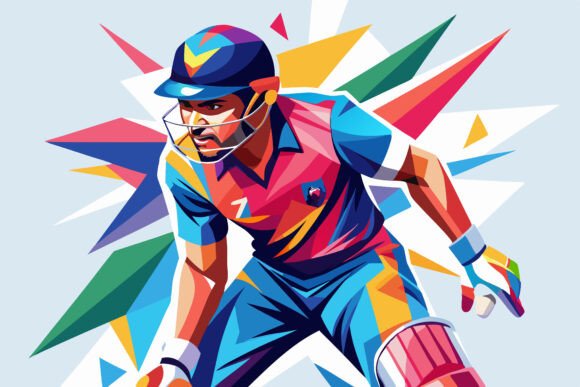
Sport Illustrations in Modern Design: How AI and EPS Collections Transform Creative Projects
Every designer knows the moment when a project demands speed without sacrificing quality. You need crisp, versatile graphics that adapt across platforms, and you need them now. This is where well-crafted sport illustration sets become indispensable allies. Whether you are building a fitness app interface, laying out a magazine feature on athletic performance, or creating signage for a community marathon, the right visual assets can elevate your work from ordinary to exceptional.
Understanding what makes an illustration collection truly useful goes beyond simply looking at preview images. The file format, organizational structure, and editability determine how much time you actually save versus how much you spend wrestling with technical limitations. Let's explore what thoughtful sport illustration resources offer and why the details matter more than many initially realize.
The Foundation: Why AI and EPS Formats Remain Essential for Sport Graphics
Vector graphics have been a cornerstone of professional design for decades, yet their importance is sometimes underestimated in an era dominated by raster-heavy web content. The AI (Adobe Illustrator) and EPS (Encapsulated PostScript) formats are two pillars of scalable illustration work. Unlike pixel-based images that degrade when enlarged, vector sport illustrations maintain razor-sharp edges at any size — from a tiny app icon to a stadium-sized banner.
AI files serve as the native working documents for Adobe Illustrator, preserving every editable curve, anchor point, and color fill in its original form. EPS carries broad compatibility, opening reliably across different design software, including CorelDRAW, Affinity Designer, and even some layout programs. When a collection delivers both AI and EPS versions, you gain immediate flexibility. You are not forced into one ecosystem or workflow. This dual-format approach acknowledges that creative professionals work across different tools, operating systems, and collaborative environments.
The inclusion of JPG preview files might seem like a minor addition, but experienced designers recognize their practical value. Before committing to importing large vector files, you can quickly browse through high-quality raster previews to identify the exact sport icon or scene you need. This small convenience compounds into significant time savings across multiple projects.
Cross-Platform Compatibility That Respects Your Workflow
Design teams are increasingly diverse in their technological preferences. One member operates entirely within macOS, another swears by Windows, and a third might toggle between both for different tasks. An illustration set specifically designed for both Mac and Windows users signals attention to real-world working conditions. File naming conventions that avoid special characters problematic on either platform, color profiles that render consistently across operating systems, and font outlines that eliminate substitution issues all contribute to a smoother creative process.
When you download a sport illustration bundle optimized for cross-platform use, you sidestep the frustration of corrupted file previews, missing elements, or the dreaded "unrecognized format" error messages that plague poorly prepared digital products. This compatibility extends beyond the desktop, too. Vector files that behave predictably on both systems translate more reliably when exported for mobile interfaces, web applications, or print production pipelines.
Organizational Intelligence: The Quiet Power of Structured Files
Opening a chaotic illustration file is akin to walking into a library where every book has been thrown randomly onto the floor. You might eventually find what you need, but the journey wastes precious creative energy. Truly valuable sport illustration collections distinguish themselves through meticulously organized file and layer structures.
Imagine selecting a basketball-themed illustration and discovering that the ball, player silhouette, court markings, and background elements reside on clearly named, logically grouped layers. Changing the ball color becomes a single-click operation rather than a hunt through hundreds of unnamed paths. Disabling the background to isolate the central figure for a transparent logo variation takes seconds. This organizational discipline transforms illustrations from static assets into flexible building blocks.
For sport categories spanning multiple disciplines — running, swimming, cycling, team sports, individual athletics — consistent internal organization across all files means predictable editing experiences. Once you learn the structure of one illustration, you effectively understand them all. This consistency reduces cognitive load and accelerates production timelines in ways that disorganized alternatives can never match.
Detail and Consistency: Hallmarks of Professional Sport Graphics
Perfection in details and consistency might sound like marketing language, but for working designers, these qualities carry concrete implications. Consistent line weights across a family of sport icons ensure visual harmony when multiple illustrations appear together in an infographic or interface. Uniform lighting angles and shadow treatments maintain believable spatial relationships throughout a composition. Matching proportions between human figures, equipment, and environmental elements prevent the jarring discontinuities that make composite designs look amateurish.
Consider a fitness dashboard that displays separate icons for running, swimming, cycling, and weightlifting. If each icon comes from a different source, subtle mismatches in stroke thickness, corner rounding, or color saturation betray their disparate origins. Users may not consciously identify the problem, but they perceive the lack of cohesion. Collections built with obsessive attention to detail eliminate this fragmentation, lending professional polish to every layout.
The value of such consistency multiplies when projects evolve over time. A brand identity system that relies on sport imagery needs assurance that future additions to the icon family will match existing assets. Quality illustration sets establish repeatable standards that make ongoing expansion seamless.
Versatility Across Media: From Print to Digital Applications
The modern creative landscape demands assets that perform across an unprecedented range of contexts. A single sport illustration might need to appear on a glossy event poster, an e-commerce website, a mobile training app, an email newsletter header, and embroidered team merchandise. Each surface imposes different technical requirements — DPI minimums, color space specifications, file size constraints, and substrate considerations.
Vector-based illustrations inherently support this versatility. The same file that produces a flawless 300-DPI print output can generate optimized SVGs for responsive web design or crisp icons at the small dimensions required by smartphone status bars. When illustrations come with well-constructed clipping masks, proper use of global color swatches, and clean path construction, adapting them across media becomes a matter of simple export settings rather than time-consuming reconstruction.
Infographics represent a particularly demanding use case for sport graphics. Data visualization requires illustrations that integrate naturally with charts, graphs, and statistical callouts without overwhelming the numerical information they accompany. Subtle, well-proportioned icons that communicate athletic concepts efficiently allow viewers to process information quickly. Overly intricate or stylistically inconsistent elements distract and confuse, undermining the infographic's communicative purpose.
True Editability: Making Sport Illustrations Your Own
The promise of editability appears frequently in product descriptions, yet its implementation varies dramatically. True editability means more than the ability to recolor a single shape. It encompasses the freedom to modify individual elements independently, restructure compositions, extract components for standalone use, and blend assets with existing brand materials — all without encountering flattened layers, expanded effects that resist modification, or embedded images masquerading as vectors.
When an illustration set emphasizes easy color changes and modifications according to specific needs, it empowers designers to maintain brand consistency while leveraging pre-built visual elements. A corporate sport sponsor using signature colors can recolor entire icon sets in minutes rather than hours. An event organizer with a unique thematic palette can adapt generic athletic imagery to their specific aesthetic vision. This flexibility transforms purchased assets from temporary solutions into lasting resources that evolve alongside changing brand requirements.
The best collections anticipate common modification needs. Gradient fills that can be replaced with solid colors for simplified versions. Compound paths that separate cleanly into constituent shapes. Effects applied through appearance panels rather than destructive operations. These design decisions reflect an understanding of how professional creatives actually work with third-party assets.
Real-World Applications: Where Sport Illustrations Deliver Value
Health and fitness applications represent one of the most obvious homes for sport illustrations. Activity tracking interfaces, workout plan presentations, achievement badges, and onboarding screens all benefit from clear, motivating visual language. Users scanning exercise libraries need immediate recognition of movement types. Icons that accurately convey the difference between a deadlift and a squat, or between breaststroke and butterfly, support usability and safety.
Educational contexts present equally valuable opportunities. Physical education curricula, coaching manuals, and technique guides rely on visual demonstrations of proper form. Anatomically plausible figure illustrations that emphasize key joint angles and body positions help learners internalize movement patterns more effectively than text descriptions alone. The ability to isolate body parts or overlay directional arrows on editable sport illustrations makes them powerful teaching tools.
Event promotion and community engagement benefit enormously from cohesive visual systems. A charity fun run needs website graphics, social media assets, participant bibs, route maps, finish line banners, and post-event certificates. Drawing from a unified illustration collection ensures that every touchpoint reinforces a consistent brand experience, building recognition and trust among participants and sponsors alike.
Who Benefits Most From Quality Sport Illustration Collections
The audience for well-crafted sport graphics extends far beyond traditional graphic designers. Small business owners operating fitness studios, personal training services, or sports clubs often handle their own marketing materials. They lack the budget for custom illustration work but still need professional-looking visuals. Accessible, easily editable collections democratize design quality, enabling entrepreneurs to compete visually with larger organizations.
Web developers building template-based sites for athletic organizations appreciate assets that integrate smoothly into existing frameworks. Clean vectors with transparent backgrounds and consistent bounding boxes simplify implementation across different content management systems and page builders. The availability of both detailed illustrations and simplified icon versions within the same collection supports varied usage from hero sections to navigation elements.
Content creators and social media managers operating in the fitness and wellness space face relentless demand for fresh visual content. Workout graphics, motivational quote overlays, challenge announcements, and progress tracking templates all require consistent sport imagery. Collections that offer sufficient variety prevent repetitive-looking feeds while maintaining recognizable visual identity.
Evaluating Sport Illustration Collections for Your Needs
Before acquiring any illustration set, consider the specific demands of your typical projects. Examine the range of sport disciplines covered. A collection focused exclusively on gym-based activities may fall short if you also need representations of outdoor pursuits, aquatic sports, or adaptive athletics. Breadth matters, but so does depth within each category. Having fifteen variations of runner illustrations serves different needs than a single generic figure.
Assess the illustration style against your intended applications. Highly detailed, realistic figures might excel in editorial layouts but overwhelm mobile interfaces. Minimalist line icons shine in app navigation but lack impact on large-format prints. The ideal collection straddles stylistic categories or provides sufficient variation to serve multiple contexts. Pay attention to the emotional tone as well. Some projects call for dynamic, action-oriented imagery, while others benefit from calm, instructional depictions.
Consider the licensing terms carefully. Clarify whether the illustrations can appear in commercial products, templates you sell, or merchandise featuring the artwork. Understand any attribution requirements or usage limitations before integrating assets deeply into client projects where replacement would prove costly.
Practical Considerations for Integration and Workflow
Upon acquiring a new sport illustration collection, invest a small amount of time in familiarization before diving into project work. Browse the complete catalog of available graphics, noting the naming conventions and category organization. Open several files to examine layer structures firsthand. Test color modifications on a sample illustration to confirm editability claims and understand the swatch organization.
Consider creating a reference document that catalogs favorite illustrations with notes about which projects might benefit from them. This small organizational effort pays dividends when future deadlines loom and you need to locate appropriate assets quickly. For teams, establishing shared conventions around which illustrations to use for recurring content types prevents visual inconsistency across different contributors' work.
The technical specifics of the files — AI EPS format compatibility, JPG previews for browsing, cross-platform reliability, organized layers, and editable elements — may seem like dry details. But these are precisely the factors that determine whether an illustration collection becomes a cherished resource or a neglected folder of frustrating files. When the fundamentals are sound, creativity flows unimpeded. When they are lacking, every design decision requires a workaround.
Sport illustrations serve a unique role in visual communication. They must convey motion, energy, human capability, and aspirational achievement — all within the constraints of simplified graphic forms. The most successful collections achieve this balance through technical excellence and artistic sensitivity. They respect the designer's need for efficiency while honoring the subject's inherent dynamism. Whether you are building a brand, educating an audience, or inspiring a community, the right visual tools transform ambition into tangible, shareable, and compelling visual stories.